
Invest in Land: 7 Reasons It’s Better Than Saving Money in the Bank
July 24, 2026
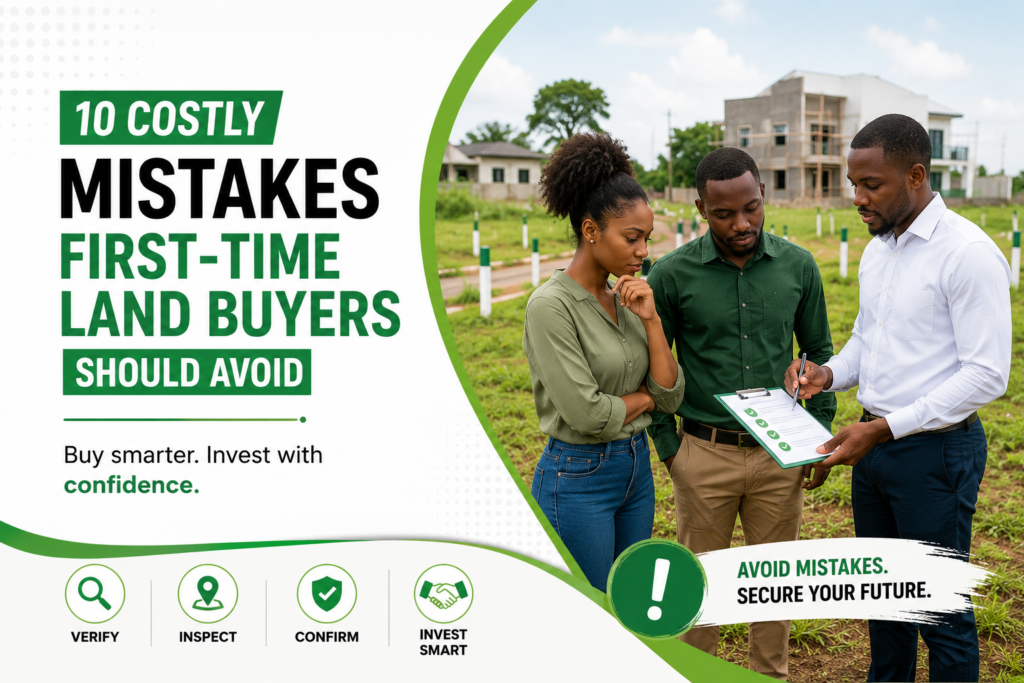
Questions Before Buying Land: How to Avoid Common Buying Mistakes
July 28, 2026Buying land is one of the most rewarding financial milestones you can achieve. This is due to the fact that it offers long-term stability, appreciates in value, and provides a physical asset for your future. Paying for land through an installment agreement makes this dream accessible by spreading the total cost over manageable monthly payments rather than requiring a massive lump sum upfront. But before you sign the agreement form, you need to be careful. A land installment agreement is a legal contract. If you miss a hidden detail, you could lose your hard-earned money.
1. Understand the Payment Schedule
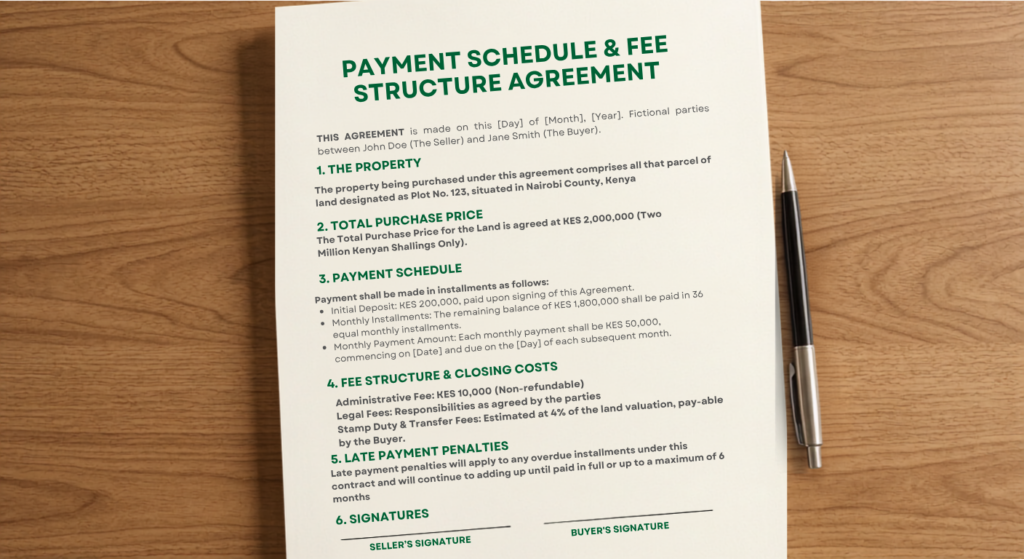
Understanding the payment schedule in a land installment agreement goes far beyond simply knowing how much money you need to send each month. Because land contracts usually run for months or even years, a minor misunderstanding in the payment structure can lead to unexpected debt, accrued penalties, or even an accidental default on your property. Your contract must clearly state the full purchase price and your deposit amount.
2. Confirm Hidden Costs
Buying land involves more than just the purchase price. When buying land especially on an installment plan the advertised price is rarely the final amount you will spend. Closing costs, statutory taxes, and professional fees can add an extra cost on top of the land’s original purchase price. If your land installment agreement does not explicitly state who is responsible for these extra charges, you could face unexpected bills that disrupt your budget mid-way through your payment term. To avoid unexpected bills you should check on the agreement, if it list who is responsible for these extra charges so you are not caught off guard.
3. Verify the Real Owner
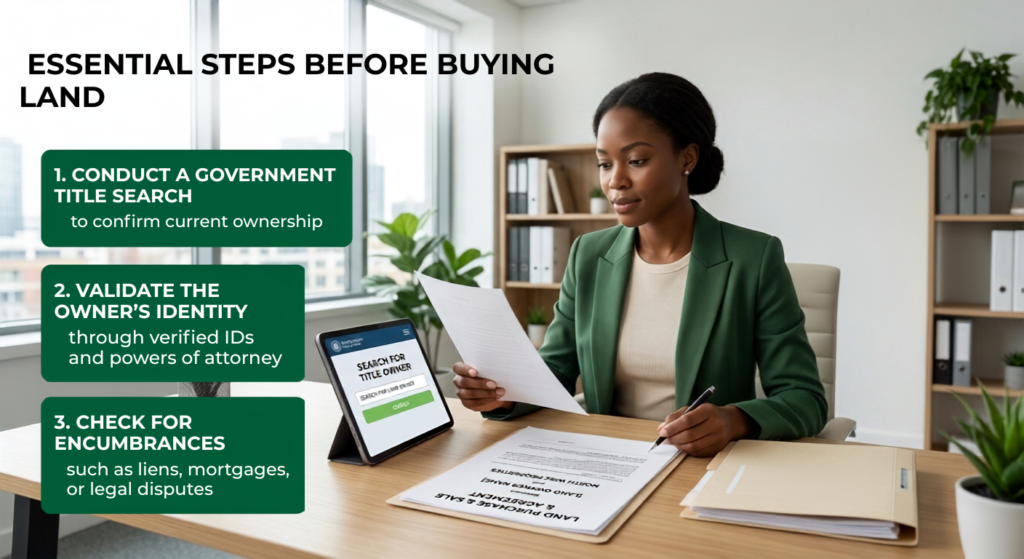
Never take a seller’s word for it. Scammers frequently create fraudulent titles or sell land they no longer legally own. A comprehensive verification process goes beyond appearances to confirm legal reality. Always ask for a copy of the original title deed. Then, do an official land search at the local land registry. This search proves who truly owns the property. It also shows if the land has any unpaid loans or court disputes tied to it.
4. Do a Physical Site Visit
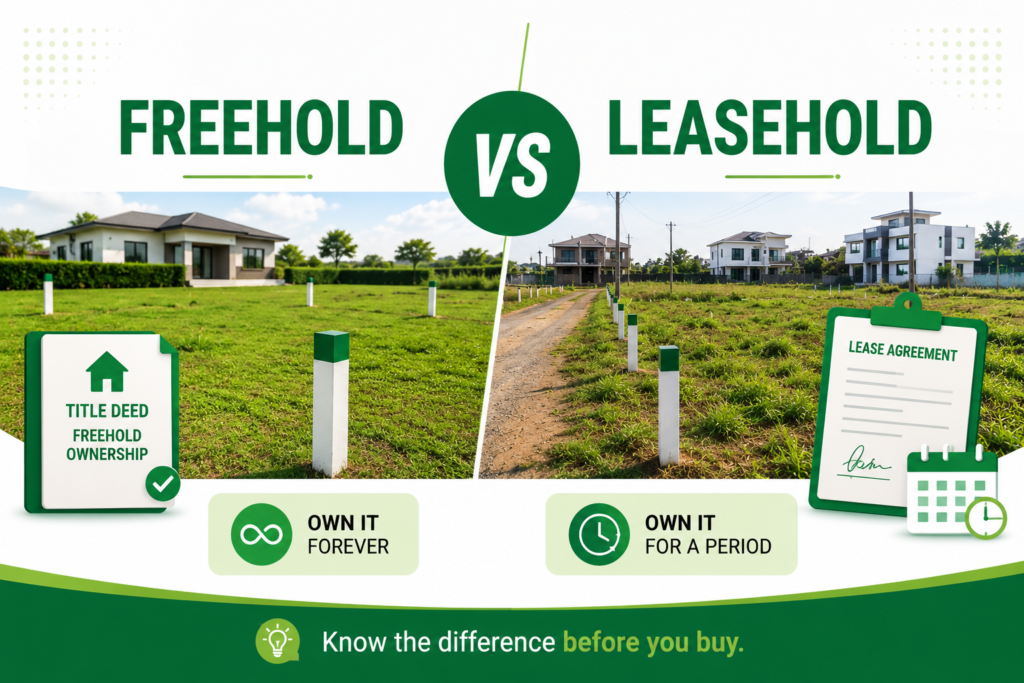
Never buy land you have not seen in person. Visit the actual plot. Confirm that the size and location match what is written on the title deed. Check if the land has clear boundary markers or beacons, and talk to the locals to make sure there are no ongoing family disputes over the property.
5. Look for Default and Refund Rules
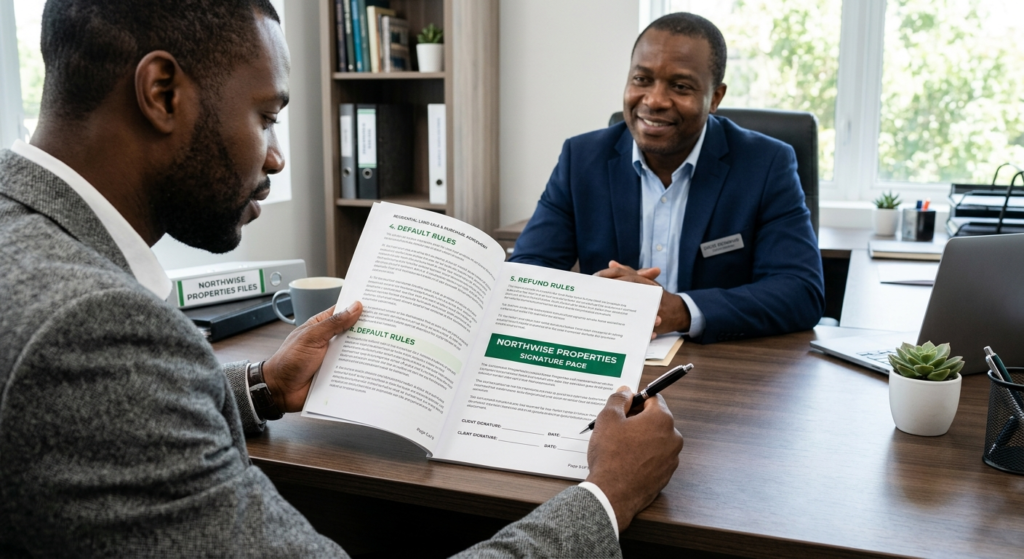
In many poorly drafted or one-sided contracts, default terms heavily favour the seller, often leading to a total loss of both the property and all accumulated payments. Understanding these terms before signing protects your money and keeps you from getting caught off guard. Life happens, and sometimes you might miss a payment. What happens then? The land installment agreement must explain the penalties for late payments. More importantly, check if you can get a refund if you have to cancel the deal. Avoid contracts that offer zero refunds under any circumstances.
6. Hire a Real Estate Lawyer
When buying land through an installment agreement, hiring a qualified real estate lawyer is the best option as it avoids fraud, financial loss, and unfair contract terms. Legal language can be confusing. Do not rely on verbal promises from agents. If a promise is important, it must be written directly into the agreement. Always have a qualified lawyer who can review the contract for you, spot unfair terms and protect your investment.
Buying land on an installment plan should be a smooth journey, not a stressful one. Before you pick up the pen to sign your agreement, pause and review your checklist one last time. Protecting your hard-earned money today is the single best way to guarantee complete peace of mind for your future. And for this to happen you have to choose a partner you can actually trust. Don’t wait to buy land, buy land and wait.