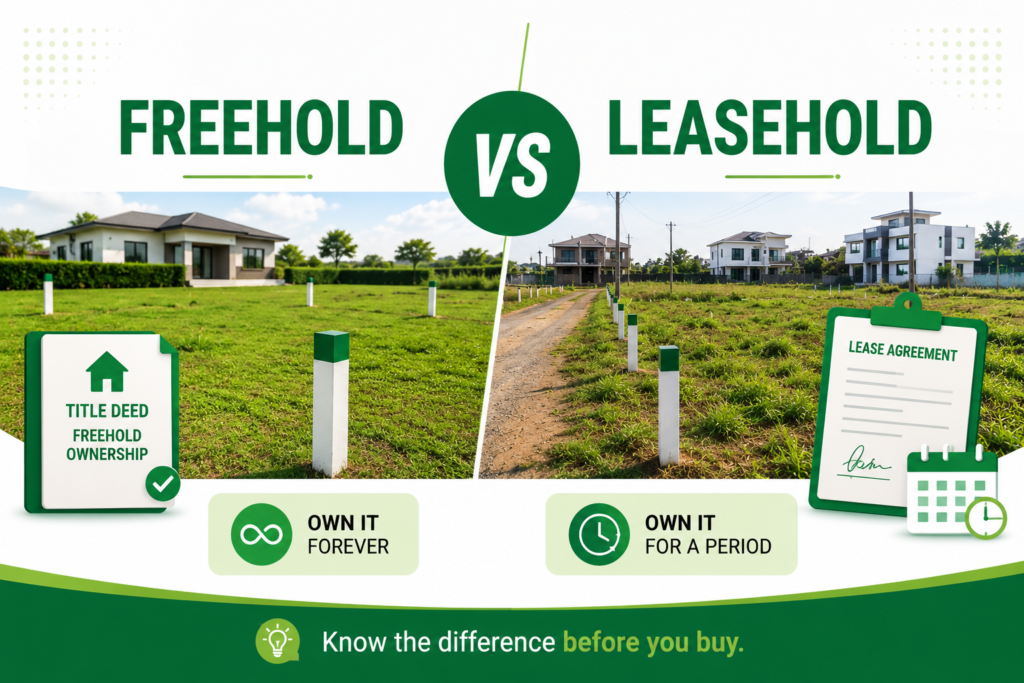
Freehold vs Leasehold: How to Choose the Right Land Tenure
August 10, 2026
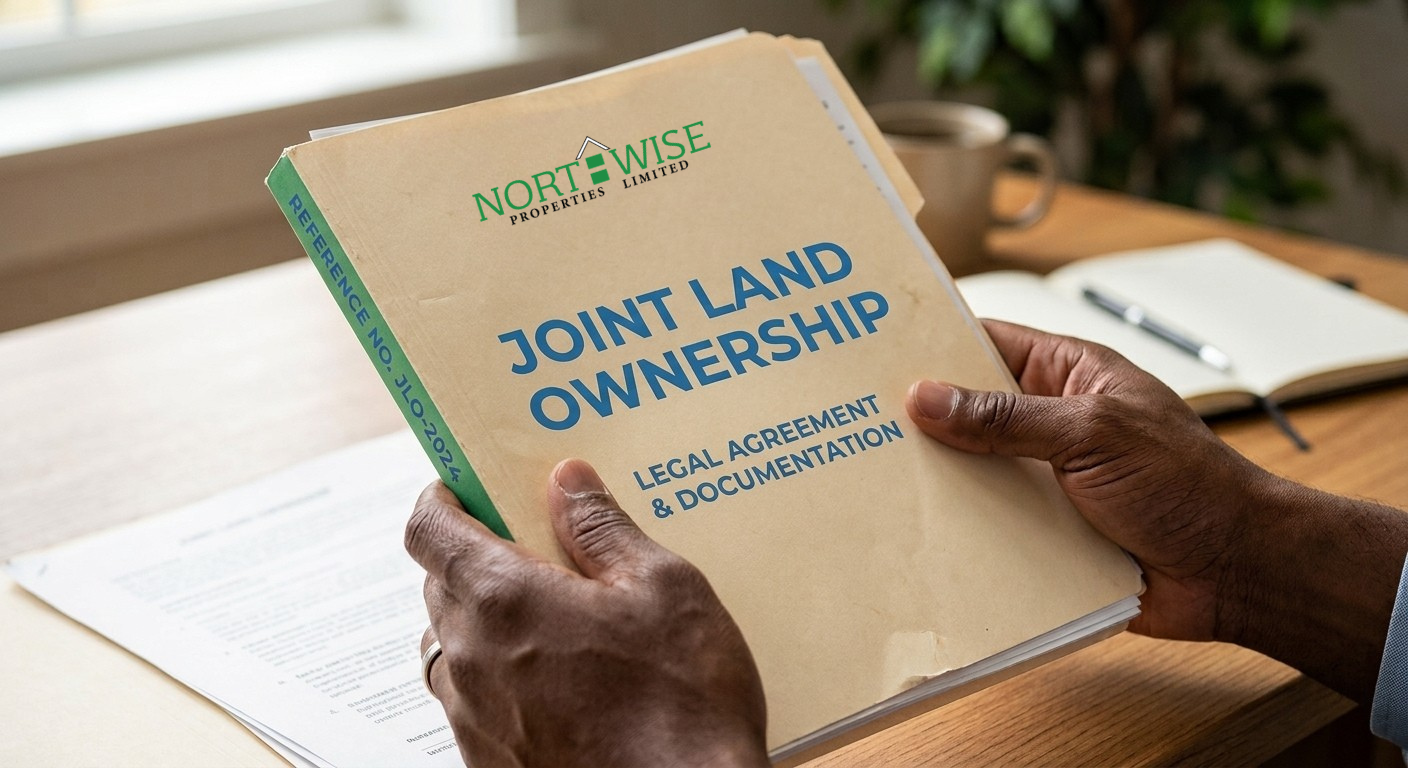
Buying land is one of the best ways to build long-term wealth. However, rising real estate prices can make purchasing property solo feel out of reach. That is why joint land ownership is growing in popularity. Joint land ownership occurs when two or more people purchase a piece of land together. Co-owners share the legal title, financial responsibility, and rights to use the property. Combining financial resources with friends or family members allows you to buy larger piece of land and split development costs. Yet co-owning property can also strain personal relationships if you do not plan ahead.
To ensure your joint property investment builds wealth rather than conflict, these are the thing you are supposed to look into:
1. Draft a Legally Binding Co-Ownership Agreement
Never rely on verbal agreements, regardless of how well you trust your co-buyers. A written legal agreement prevents misunderstandings before they start. A good co-ownership agreement should;
: clearly state all the owners
: describe the property involved and how it will be used
: how much each person owns
: state how the taxes, maintenance cost and other expenses will be shared
2. Create a Dedicated Joint Account for Property Expenses.
When two or more people own a land together it is important that they open a joint account for the property expenses. This account can only be used for costs related to the jointly owned property. Keeping these funds separate makes it easier to track payment, keep record of every one’s contribution, and eliminates the need to ask partners for money when bills are due.
3. Separate Personal Communication from Business Decisions
When family members, friends or business partners own land together, personal relationships can sometimes affect the property decisions. To avoid confusion, schedule formal quarterly or bi-annual check-ins to review property budgets, tax statements, and development goals. By doing this you create transparency and it is easy to resolve disagreements if they arise.
4. Choose the Right Legal Structure
Before placing a deposit on land, it is important to choose the right legal structure. The structure you choose can affect how the property is registered, how the decisions are made and what happens if one owner dies, sells their interests or leaves the arrangement. Co-owners should seek advice from a qualified property lawyer before choosing a legal structure.
5. Plan Your Exit Strategy Before You Buy
Planning an exit dos not mean that the owner expects the agreement to fail. It simply a way to prepare for future changes. A clear joint land ownership agreement should give each owner a defined path out of the arrangement and reduce the risk of costly disputes.
Joint land ownership works best when everyone understands their rights and responsibilities from the start. With proper planning, clear records and professional legal advice, co-owners can protect investment and reduce the risk of future disputes. Don’t wait to buy land, buy land and wait.